

A 3-year-old girl, who is deaf and has poor vision, learned to communicate and became friends with another child with a similar condition thanks to a Wisconsin program for deafblind children. Now, following federal cuts targeting DEI initiatives, the state-run program’s funding has been cut — and her parents are speaking out.
“It seems like it should be a group of kids that everyone wants to help,” Casey Garner, 34, told The New York Times. “Taking away help from deafblind kids? I don’t understand.”
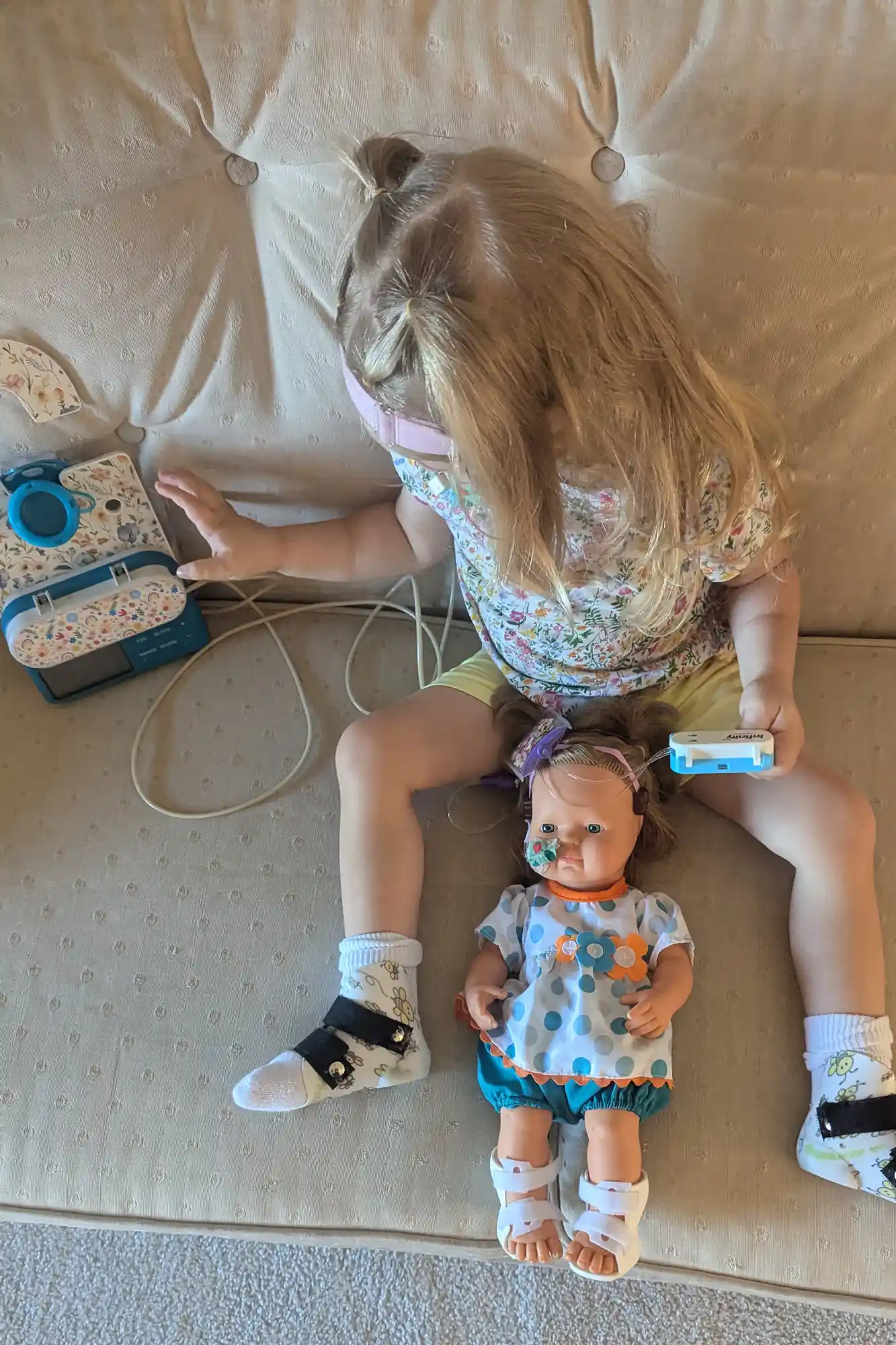
After years of fertility struggles, the civil engineer and his wife, Leah Garner, met the newborn they were adopting in 2022, according to the newspaper. At the hospital, the couple realized that Annie was born with no ears, and they’d go on to learn she also struggled to see and had weak muscles as well as a developmental disability.
“Having a child who is both Deaf and Visually-Impaired is a challenge that few parents ever face,” Casey tells PEOPLE in a statement, emphasizing that using “separate services for the Deaf and the Blind” didn’t give them the tools they needed to help their daughter.
Thankfully, they were able to take a breath after learning about the Wisconsin Deafblind Technical Assistance Project, which provides resources to parents and service providers so they can adapt to the needs of children who have vision and hearing loss.
According to the National Center on Deafblindness, the rare condition means that “an individual has combined hearing and vision loss, thus limiting access to both auditory and visual information” – and the group says that access to special educational services at a young age is critical.
Thanks to the program, the Garners learned American Sign Language (ASL) through a deaf mentor and have received additional training on how to communicate with their daughter.
Additionally, the program connected them “with other families who have faced some of these same challenges before us,” Casey tells PEOPLE.
During her time in the program, Annie has become best friends with another deafblind girl her age, and their parents bring the girls together regularly so they can play, the Times reported.
Learning that the program’s funding had been cut was a “shock,” Casey tells PEOPLE.
The blow came in September, when the Trump administration ended the almost $1 million, five-year grant for WDBTAP because of the grant application’s goals tied to diversity, equity and inclusion, according to the Times. A $10.5 million grant that covered the costs of securing special education teachers in Wisconsin was also cut.
“These are kids who depend on specialized support just to access their guaranteed right to a free and appropriate public education,” State Superintendent Dr. Jill Underly of the Wisconsin Department of Public Instruction said in a statement at the time. “Losing these dollars at this point in the year will be devastating for the kids who need these supports the most.”
Attempts by the state to get the funding back were swiftly rejected, the Times reported.
Casey Garner
The move is part of a larger trend against DEI initiatives and similar programs, which began when Trump took office for the second time.
“The Trump Administration is no longer allowing taxpayer dollars to go out the door on autopilot — we are evaluating every federal grant to ensure they are in line with the Administration’s policy of prioritizing merit, fairness, and excellence in education,” Savannah Newhouse, the press secretary of the Education Department, tells PEOPLE in a statement. “The Department re-awarded over 500 IDEA Part D grants and non-continued fewer than 35 grants that do not align with the Administration’s priorities.
“Many of these use overt race preferences or perpetuate divisive concepts and stereotypes, which no student should be exposed to,” Newhouse continues. “The non-continued grant funds are not being cut; they are being re-invested immediately into high quality programs that better serve special needs students.”
Heart & Hands Doula and Photography
Families like the Garners are already beginning to feel the consequences.
The Wisconsin Deafblind Project supports 170 children, from birth to age 21 — and although the program was able to secure another year of funding from the National Center on Deafblindness, that money is set to run out by next fall, the Times reported.
Casey expressed his gratitude for the year’s worth of funding, but tells PEOPLE that he and other parents “are still very concerned that our most vulnerable students and kids are at risk.”
Their hopes now hinge on bills like the Cogswell-Macy Act, which will “improve services and education opportunities for students who are deaf, hard of hearing, blind, and DeafBlind,” according to the National Association of the Deaf.

Heart & Hands Doula and Photography
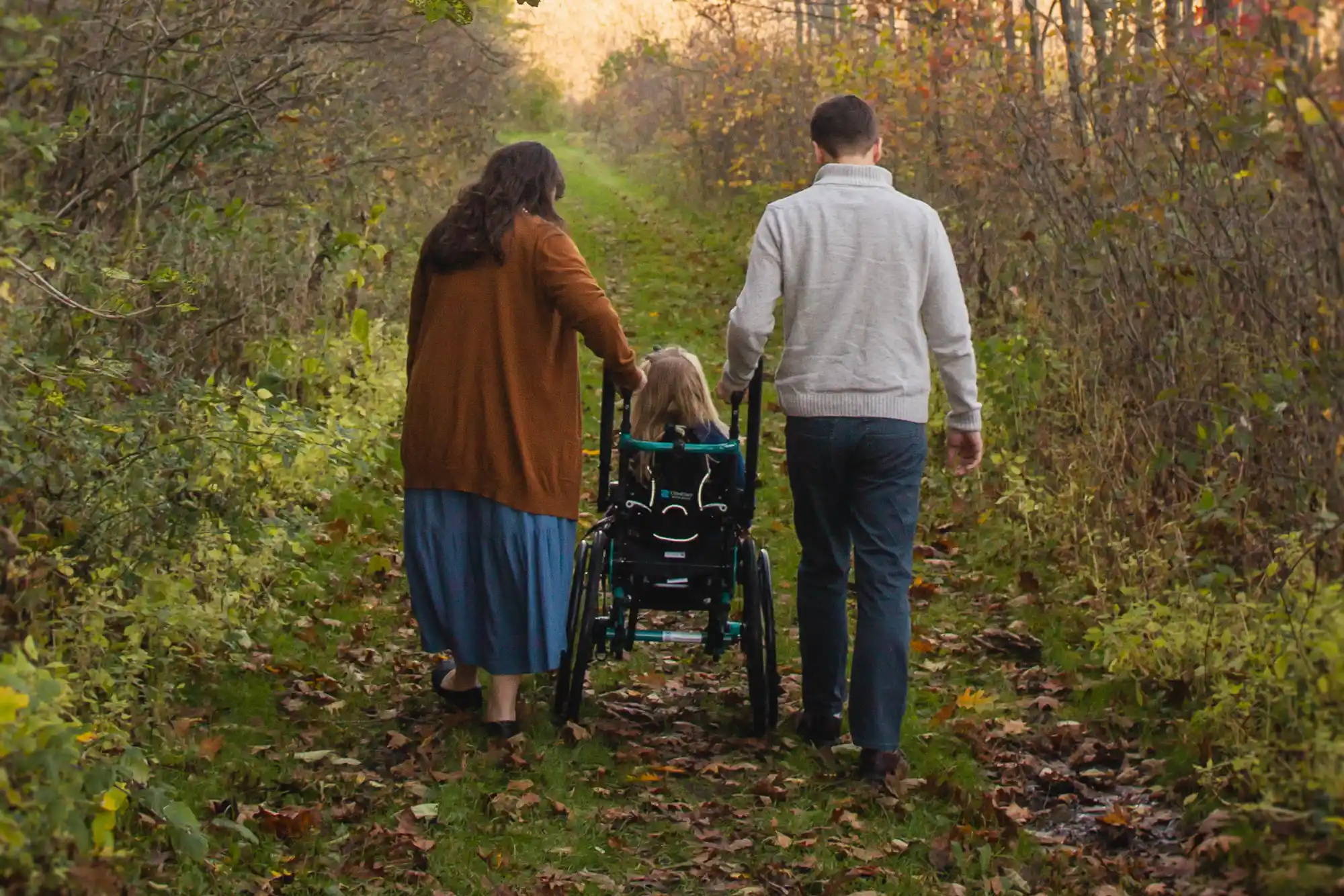
As Annie grows older, the Garners want her to have access to interpreters trained by WDBTAP, known as “interveners,” who assist children at schools so they can more easily communicate and connect.
For the parents and little Annie, the importance of such a program is immeasurable.
As reported by the Times, with a tablet that she learned to use from staffers at the program, the 3-year-old recently wrote herself a sweet message that read: “I am a beautiful person who is the best.”