
Girl, 5, who was ‘magical little princess’ died four days after tonsils were removed, inquest hears

The Royal Cornwall Hospital sent Amber Milnes home after her operation and told her parents to “wait and see” when she fell ill, an inquest has heard. She was eventually readmitted but pronounced dead on 9 April 2023.

A five-year-old girl who died in hospital four days after having her tonsils removed was her family’s “magical little princess”, an inquest has heard.

Amber Milnes, from St Just in Roseland, Cornwall, underwent the procedure at the Royal Cornwall Hospital in Truro on 5 April 2023 due to sleep apnoea.

An inquest heard Amber’s parents believed she would stay in hospital overnight after the operation as she had a rare condition called cyclical vomiting syndrome.

But Amber was discharged home hours after the procedure and started vomiting in the early morning of 6 April. She was admitted back to the hospital that evening.

Amber Milnes. Pic. PA

Cornwall Coroner’s Court heard on Wednesday that Amber had a fatal haemorrhage, likely to have been caused by an infection in the part of her throat where her tonsils had been removed, at around 3am on 9 April.

In a pen portrait read to the two-day hearing, Amber’s parents, Lewis and Sereta Milnes, said their daughter was the “happiest little girl” who bravely dealt with medical treatment.

They said: “Amber was and always will be our magical little princess. She lit up our home with her singing, her dancing, her laughter and her heart of gold.”

The inquest heard Amber was referred to the hospital to have her tonsils and adenoids taken out as she had been suffering with sleep apnoea.

In a statement read to the inquest, Mrs Milnes said she had repeatedly stated that Amber would need to remain in hospital after the operation because of her cyclical vomiting syndrome.

She said the rare condition caused Amber to violently vomit and retch for hours at a time.

Amber Milnes. Pic: Family Handout/PA

Amber arrived at the hospital at 12pm on 5 April and underwent the operation before she was discharged home at around 9pm, to the “surprise” of her parents, Mrs Milnes said.

In the early hours of 6 April, Amber started vomiting. Her parents rang the hospital and were advised to “wait and see” how Amber did and to call back if she did not stop being sick, they told the inquest.

Amber vomited about 20 times the following day, with her parents bringing her back to the hospital at 10pm.

She was given intravenous medication to prevent her from being sick and was found to have a chest infection at around 2am on 7 April.

But at around midnight that day, the intravenous line failed and she was instead administered medication orally – which she could not take because of being sick, Mrs Milnes said.

Intravenous medication was started at 2.45pm on 8 April, meaning Amber had not had fluids, pain relief, antibiotics or anti-sickness drugs for 14 hours, her mother added.

Amber fell asleep, but awoke at 3am and suffered a haemorrhage, with doctors unable to resuscitate her.

She was pronounced dead at 4.37am on 9 April.
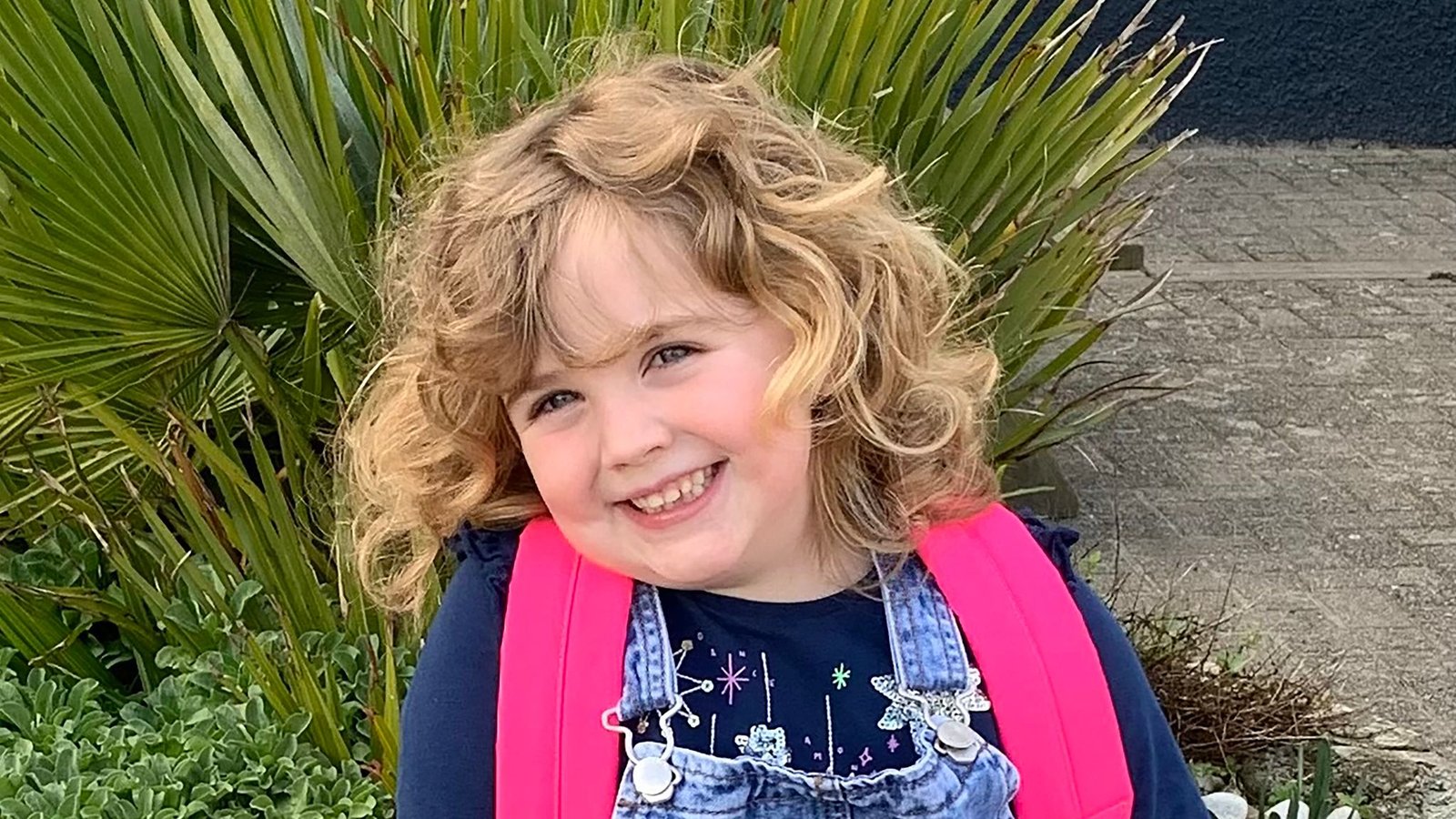
Amber Milnes. Pic: Family Handout/PA

Dr Andrew Bamber, a consultant in paediatric and perinatal pathology, gave Amber’s cause of death as a massive haemorrhage with aspiration of blood, surgical site infection and enlarged tonsils.

He said damage to a blood vessel in her throat, where the operation took place, was likely to have been caused by a later infection rather than during the procedure.

Kel Anyanwu, the surgeon who carried out the operation, said he had not previously seen a death from a tonsillectomy.

He said the consent form Amber’s parents signed did not mention risk of death and described her case as “unique”.

When asked about the decision to discharge Amber after the operation, he said: “The assumption was that if she was fine, she will probably be ok. The decision was made later when we saw her, that she is fine, she can go.”

Mr Anyanwu described the operation, lasting 38 minutes, as “quiet in terms of blood loss” and said he had not seen any active signs of infection at the time.

The inquest continues.

The Royal Cornwall Hospital sent Amber Milnes home after her operation and told her parents to “wait and see” when she fell ill, an inquest has heard. She was eventually readmitted but pronounced dead on 9 April 2023.

A five-year-old girl who died in hospital four days after having her tonsils removed was her family’s “magical little princess”, an inquest has heard.

Amber Milnes, from St Just in Roseland, Cornwall, underwent the procedure at the Royal Cornwall Hospital in Truro on 5 April 2023 due to sleep apnoea.

An inquest heard Amber’s parents believed she would stay in hospital overnight after the operation as she had a rare condition called cyclical vomiting syndrome.

But Amber was discharged home hours after the procedure and started vomiting in the early morning of 6 April. She was admitted back to the hospital that evening.

Amber Milnes. Pic. PA

Cornwall Coroner’s Court heard on Wednesday that Amber had a fatal haemorrhage, likely to have been caused by an infection in the part of her throat where her tonsils had been removed, at around 3am on 9 April.

In a pen portrait read to the two-day hearing, Amber’s parents, Lewis and Sereta Milnes, said their daughter was the “happiest little girl” who bravely dealt with medical treatment.

They said: “Amber was and always will be our magical little princess. She lit up our home with her singing, her dancing, her laughter and her heart of gold.”

The inquest heard Amber was referred to the hospital to have her tonsils and adenoids taken out as she had been suffering with sleep apnoea.

In a statement read to the inquest, Mrs Milnes said she had repeatedly stated that Amber would need to remain in hospital after the operation because of her cyclical vomiting syndrome.

She said the rare condition caused Amber to violently vomit and retch for hours at a time.

Amber Milnes. Pic: Family Handout/PA

Amber arrived at the hospital at 12pm on 5 April and underwent the operation before she was discharged home at around 9pm, to the “surprise” of her parents, Mrs Milnes said.

In the early hours of 6 April, Amber started vomiting. Her parents rang the hospital and were advised to “wait and see” how Amber did and to call back if she did not stop being sick, they told the inquest.

Amber vomited about 20 times the following day, with her parents bringing her back to the hospital at 10pm.

She was given intravenous medication to prevent her from being sick and was found to have a chest infection at around 2am on 7 April.

But at around midnight that day, the intravenous line failed and she was instead administered medication orally – which she could not take because of being sick, Mrs Milnes said.

Intravenous medication was started at 2.45pm on 8 April, meaning Amber had not had fluids, pain relief, antibiotics or anti-sickness drugs for 14 hours, her mother added.

Amber fell asleep, but awoke at 3am and suffered a haemorrhage, with doctors unable to resuscitate her.

She was pronounced dead at 4.37am on 9 April.

Amber Milnes. Pic: Family Handout/PA

Dr Andrew Bamber, a consultant in paediatric and perinatal pathology, gave Amber’s cause of death as a massive haemorrhage with aspiration of blood, surgical site infection and enlarged tonsils.

He said damage to a blood vessel in her throat, where the operation took place, was likely to have been caused by a later infection rather than during the procedure.

Kel Anyanwu, the surgeon who carried out the operation, said he had not previously seen a death from a tonsillectomy.

He said the consent form Amber’s parents signed did not mention risk of death and described her case as “unique”.

When asked about the decision to discharge Amber after the operation, he said: “The assumption was that if she was fine, she will probably be ok. The decision was made later when we saw her, that she is fine, she can go.”

Mr Anyanwu described the operation, lasting 38 minutes, as “quiet in terms of blood loss” and said he had not seen any active signs of infection at the time.

The inquest continues.

More from author

LEAVE A REPLY

Please enter your comment!
Please enter your name here

Related posts

Latest posts

Sophie Kinsella, author of Shopaholic series of novels, dies aged 55

The writer, whose real name was Madeleine Sophie Wickham, revealed last year that she had been diagnosed with an aggressive form of brain cancer...

Mom Thought Bump on 11-Year-Old’s Temple Was from Playing Outside. Then Doctors Told Her She Would Lose Her Eye (Exclusive)

Melanie Wightman developed ocular melanoma, a rare eye cancer that develops in pigment-producing cells of the eye Melanie Wightman has always loved fashion — even as...

Sperm Donor with Cancer-Causing Gene Fathered at Least 197 Children, Says Report

Some children have already died and only a minority who inherit the mutation will escape cancer, a new report stated on Wednesday, Dec. 10 Nearly...

6-year-old dies in Times Square hotel after mystery illness during NYC holiday trip: sources

A 6-year-old Maryland boy was found dead Tuesday morning inside a Times Square hotel after suddenly becoming violently ill while visiting the Big Apple with...

Utah dad accused of stabbing sex offender over 17 times after he ‘made comments’ about his daughter

A Utah father has been accused of stabbing a registered sex offender 17 times after he allegedly made comments to his daughter, according to...

Polk County, Florida Sheriff’s Office announces passing of deputy after battle with breast cancer

Terra McKinnon joined the agency in 2006 as a deputy sheriff and eventually became a street training instructor. She was 45 years old. POLK COUNTY,...

Want to stay up to date with the latest news?

We would love to hear from you! Please fill in your details and we will stay in touch. It's that simple!