

In newly-released findings, an Australian coroner determined that the 2022 death of “Baby E” was preventable
In December 2022, a newborn died after her mom had a “planned freebirth” in a birthing pool she got from a social media influencer. Nearly three years later, authorities in Australia say that her death was preventable.
According to the findings, which were filed with the Coroners Court of Victoria earlier this month and obtained by PEOPLE, the mother — identified only as Ms. E. — was 41 when she became pregnant with Baby E in March 2022.
The woman, who described her pregnancy as “smooth and uneventful,” visited a doctor for the first and only time on Nov. 23, when she was 36 weeks pregnant. According to the report, the purpose of the visit was to check if the baby had one heartbeat or two.
The doctor told Ms. E that the baby’s size and position were normal and that the baby’s heartbeat was regular. He offered to do a blood screen and ultrasound, but she declined.
During the visit, the woman “reported that she had a ‘team’ organizing her birth for her, but she was ‘undecided about her birth team,’ ” according to the report. She did not share any additional details with the doctor about her plan to have an unassisted birth.
By the end of November, she had already rented and received a birthing pool from social media influencer Emily Lal, whom she reached out to after coming across a post from Lal, who runs “The Authentic Birthkeeper” Instagram page.
Ms. E said she remained in contact with Lal “socially,” but didn’t seek other services or advice from the influencer.
Early in the morning of Dec. 27, Ms. E began experiencing contractions and asked her partner to fill up the birthing pool. She spent the entire day and night in it, but her baby didn’t arrive. The next day, she was back in the pool after her partner refilled it with clean water.
As her contractions intensified that night, the woman felt like it was time and after 30 minutes of pushing, her baby girl was born around 10:30 p.m. on Dec. 28.
According to the coroner, the umbilical cord was not cut and an attempt to deliver the placenta at an unknown time the next morning was unsuccessful.
The night their child was born, the couple slept in their bed with Baby E in her mom’s arms, according to the report. The next morning, the woman stated that she checked on her baby multiple times to “ensure she was still breathing”
“She thought she felt the heartbeat, but upon reflection, she believes she was feeling her own heartbeat through her fingers,” the report stated.
The couple noticed something was wrong between 6:30 and 7:50 a.m.
According to Ms. E, she sent Lal a message and reportedly FaceTimed her and was told to contact an ambulance. However, in a response to the court, Lal said she only spoke with the woman to arrange the pool delivery and when she went to their home after emergency services arrived following the newborn’s birth.
Additional information about their contact was revealed in a record of a conversation between Lal and a staff member at Mercy Women’s Hospital, where the mother was transported for further treatment.
According to the conversation, Lal said she received a message from the woman just before 8 a.m. on Dec. 29, saying the parents couldn’t wake up their child and weren’t sure if she was breathing. A picture was also sent at 8:10 a.m. “in which the baby’s face was blue.”
“Ms. Lal didn’t see the messages for 25 minutes. She then made a FaceTime call and saw the baby, which she believed to be deceased, and she told the parents to call an ambulance,” the report stated, noting that Lal did later speak with police and her version of events mostly correlated with the record of her conversation with the hospital employee.
After paramedics arrived at the scene around 8:34 a.m. they immediately administered CPR. However, the baby was pronounced dead at the scene.
Lal did not respond to PEOPLE’s multiple requests for comment.
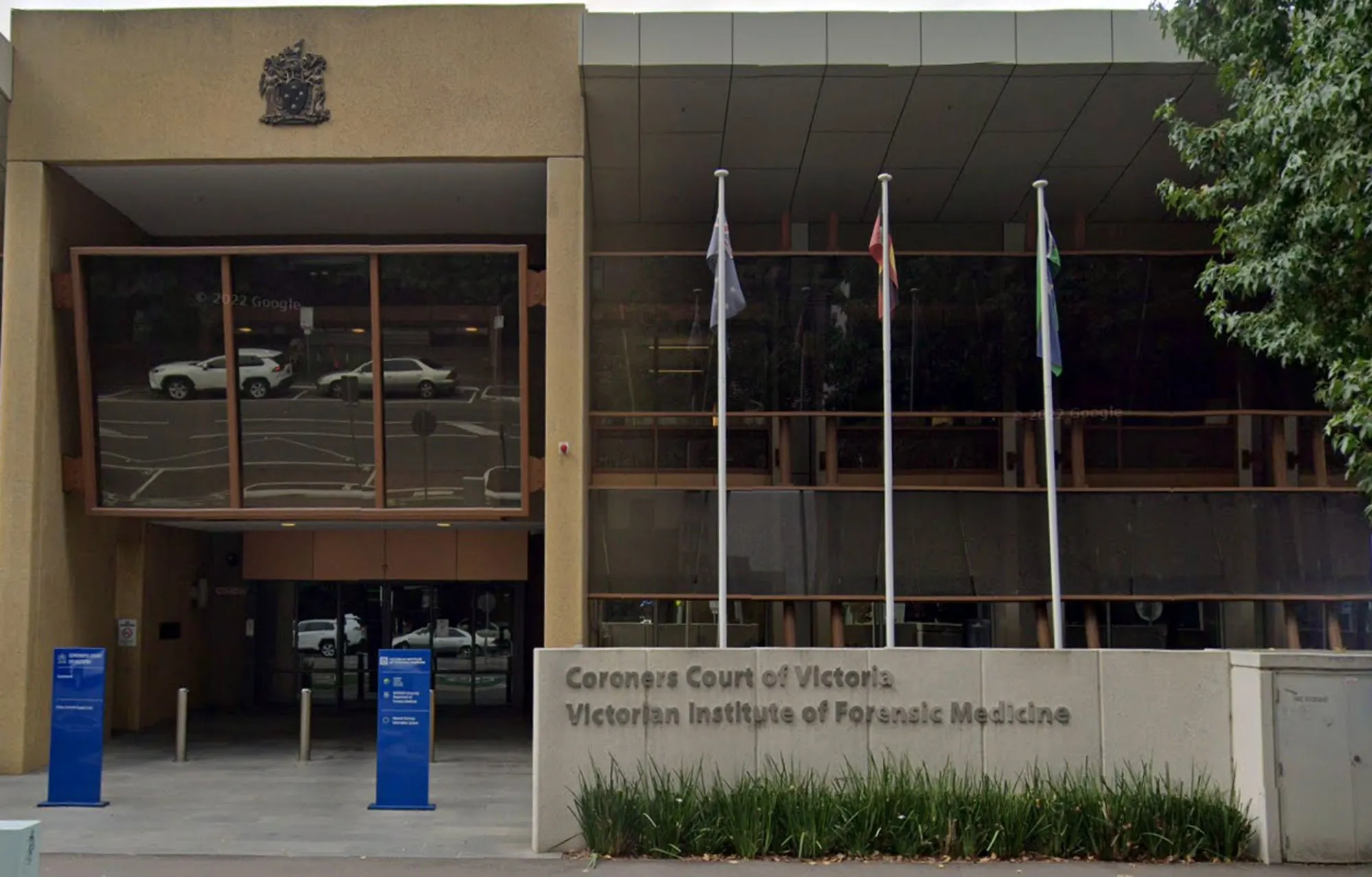
Google maps
According to forensic pathologist, Dr. Yeliena Baber, an autopsy found that the baby’s primary cause of death was neonatal pneumonia, meconium aspiration and chorioamnionitis, with a secondary cause of “prolonged labour in a home birthing pool.”
Meconium, according to the Cleveland Clinic, refers to the “first poop of a newborn baby,” which “can be passed after a baby is born or while still in the uterus.” Although swallowing a small amount of meconium is safe, breathing it in can cause serious respiratory issues.
The autopsy noted that an examination of the baby’s lungs “showed that there had been deep inhalation of meconium.” The pathologist said that “given the extent of its presence in Baby E’s lungs” the baby was likely “exposed to meconium for many hours.”
Meanwhile chorioamnionitis refers to an infection of the placenta and amniotic fluid, according to Stanford Children’s Hospital.
Baber wrote that one reason for prenatal testing is to determine if there is any sign of infection that can be transferred to the baby. If a woman tests positive for chorioamnionitis, the infection can be treated with antibiotics, but if left untreated, “the baby may inhale the bacterium and develop neonatal pneumonia or an eye infection.”
The pathologist was unable to determine if the infection was a result of how long the mother was in the birthing pool or if if predated her labor. However, the pathologist “noted that the finding of necrotising chorioamnionitis indicated it had been present for some time.”
Additionally, Baber addressed the “unusual” presence of Rhizobium radiobacter in the baby’s right lung, attributing the source of the bacteria to the “plastic birthing pool.”
Ultimately, both the pathologist and the county coroner determined that the baby’s death could have been prevented.
“Dr. Baber concluded that if Baby E was born in hospital and Ms E had received appropriate antenatal care it is highly unlikely that Baby E would have died, as she was a healthy baby and her death was caused by the prolonged delivery in a home birthing pool,” coroner Catherine Fitzgerald wrote.
“Similarly, if a trained midwife had been present at the home birth for Ms E’s prolonged labour, it would be expected that that they would escalate care to a hospital if it was clear that the baby was in Distress,” she added.
The coroner went on to recommend that the Department of Health update its websites with guidelines on “water for labour and birth.” Although the report noted that those guidelines “have no direct application to freebirths, this at least has the potential to increase access to relevant information for medical practitioners involved in managing birth and pregnancy, as well as for prospective parents who are considering birthing choices.”
In a Friday, Aug. 8, Instagram Story, which was viewed by PEOPLE, Lal reacted to the media reports about the coroner’s findings.
“I had nothing to do with the birth,“ the influencer wrote. “I wasn’t at the birth. I wasn’t involved in the birth. I didn’t convince her to have a freebirth.”
The next day, she also addressed the matter in an Instagram post where she criticized the coroner’s investigation, arguing it “has been used as a stick to punish the mother.”
The coroner’s document stated that the purpose of the investigation is “establish facts, not to cast blame or determine criminal or civil liability.”
A 2022 article published in the journal Acta Biomedica stated that water births have risen in popularity over the decades with many women regarding the method as a “positive and ‘more natural’ experience to deliver their baby.” However, the Acta Biomedica article noted that the risks linked to water births include “infection, respiratory distress, tub water aspiration, hyponatremia, seizures, cord avulsion and mortality.”
The Mayo Clinic said that most people who choose to have planned home births are able to deliver without problems, but that home births do come with a “higher risk of infant death, seizures and nervous system disorders than planned hospital births.” The hospital noted that having a certified nurse/midwife present will help mitigate any risks and encouraged people to speak with a healthcare professional before deciding to have a planned home birth.