

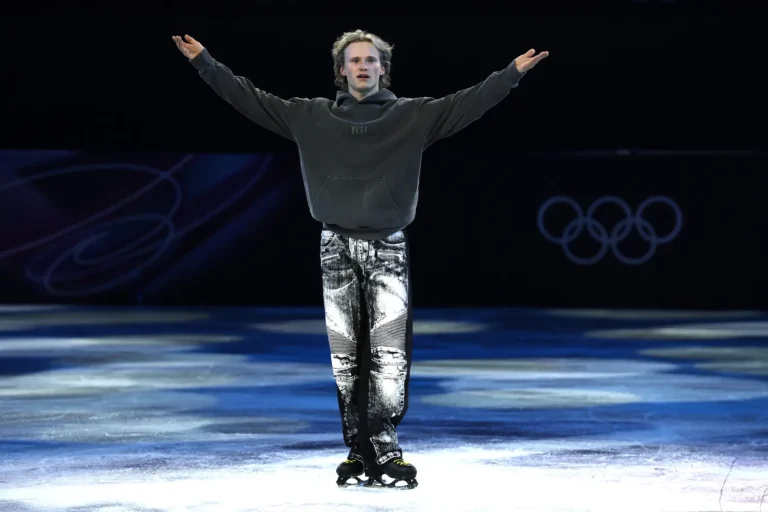
At the 2026 Winter Olympics in Milan–Cortina, figure skating star Ilia Malinin delivered not only a record-breaking competitive performance, but also an emotional exhibition skate that instantly went viral — turning the Olympic gala into one of the most talked-about moments of the Games.
Instead of choosing a traditional classical or pop routine, Malinin skated to “Fear” by NF, a song known for its raw, introspective lyrics about confronting inner struggles. The performance wasn’t just technically brilliant — it was deeply personal and emotional, capturing the attention of fans, commentators, and millions of viewers online.
A Powerful Choice of Music
NF’s music is known for its emotional honesty, exploring themes of fear, resilience, and mental struggle — a fitting backdrop for Malinin’s Olympic journey.
Rather than skating to a standard figure skating composition, he chose a song with a message: confronting fears head-on, rising despite challenges, and finding strength within vulnerability.
That artistic decision instantly made Malinin’s gala performance stand out — not just as an athletic routine, but as an emotional expression shared with the world.
 Execution With Heart and Precision
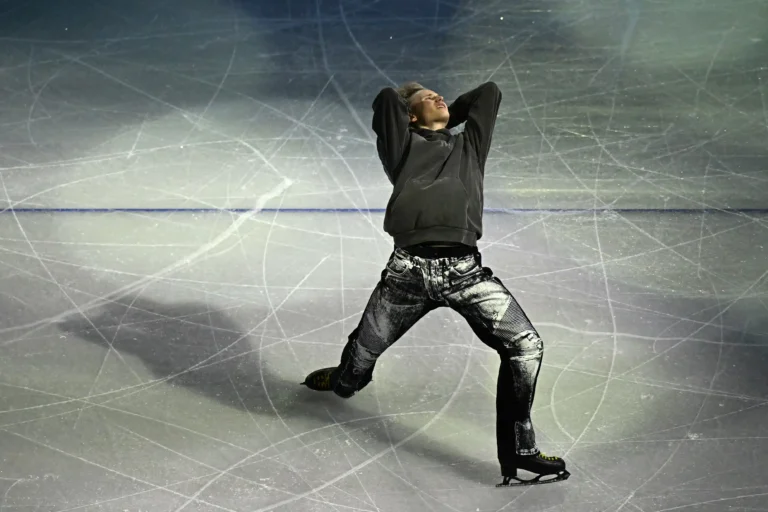
Malinin’s routine combined his trademark technical skill with expressive movement that matched the emotional tone of the music. He didn’t hold back in performance quality: edge work flowed, spins were clean, and transitions were seamlessly woven into the narrative of the music.
What resonated most with viewers was how he skated — not just what he skated. His body language, facial expression, and connection to the song’s lyrics made it clear this was more than choreography. It was storytelling.
Social Media Erupts Millions Watch and Share
Within minutes of the performance being posted online, clips began circulating across platforms like Twitter, Instagram, TikTok, and YouTube. Fans shared short videos, screenshots, and reaction posts, leading to:
 Viral engagement with millions of views Fan reactions praising the emotional depth Commentators calling it “one of the most impactful gala routines ever”
Some viewers even compared the moment to iconic cultural skates from past Olympic Games — not just for technical prowess, but for emotional resonance.
 Why the Moment Resonated So Deeply
There were several reasons this gala routine took on a life of its own:
1. Authenticity
Malinin didn’t choose a neutral song — he chose a song with emotion and meaning. Fans appreciated that vulnerability.
2. Narrative Power
Unlike competitive programs, gala skates aren’t judged. They are expressive. Ilia used that freedom to tell a story through movement.
3. Relatability
The themes in NF’s “Fear” — struggle, expectation, pressure — mirrored what many athletes face behind the scenes. That relatability turned viewers into sharers.
4. Performance Quality
This wasn’t just emotional — it was well executed. The blend of technical proficiency and artistic expression made it share-worthy on multiple levels.
A Defining Olympic Moment Beyond Competition
While medals and scores define the competitive results of the Olympics, performances like Malinin’s gala skate define the cultural moments of the Games.
In a global event filled with athletic achievement, this routine became a reminder that sport can also be art — and that athletic platforms can be used to express personal narrative.
Fans responded not only because the performance was moving, but because it felt true — a glimpse into the emotional landscape of an athlete who has faced pressure, expectation, and scrutiny on a massive stage.
 The Emotional Legacy of Malinin’s Gala Skate
In Olympic history, certain performances live on not just for their technical excellence, but for the emotional impression they leave behind. Malinin’s skate to NF’s “Fear” did exactly that — blending athleticism with artistic expression in a way that resonated globally.
By the time the gala concluded, the internet had already made its verdict: this was more than a viral moment. It was a defining moment of the 2026 Winter Olympics — one that reminded the world why sports matter not just for medals, but for meaning.